March 16, 2026
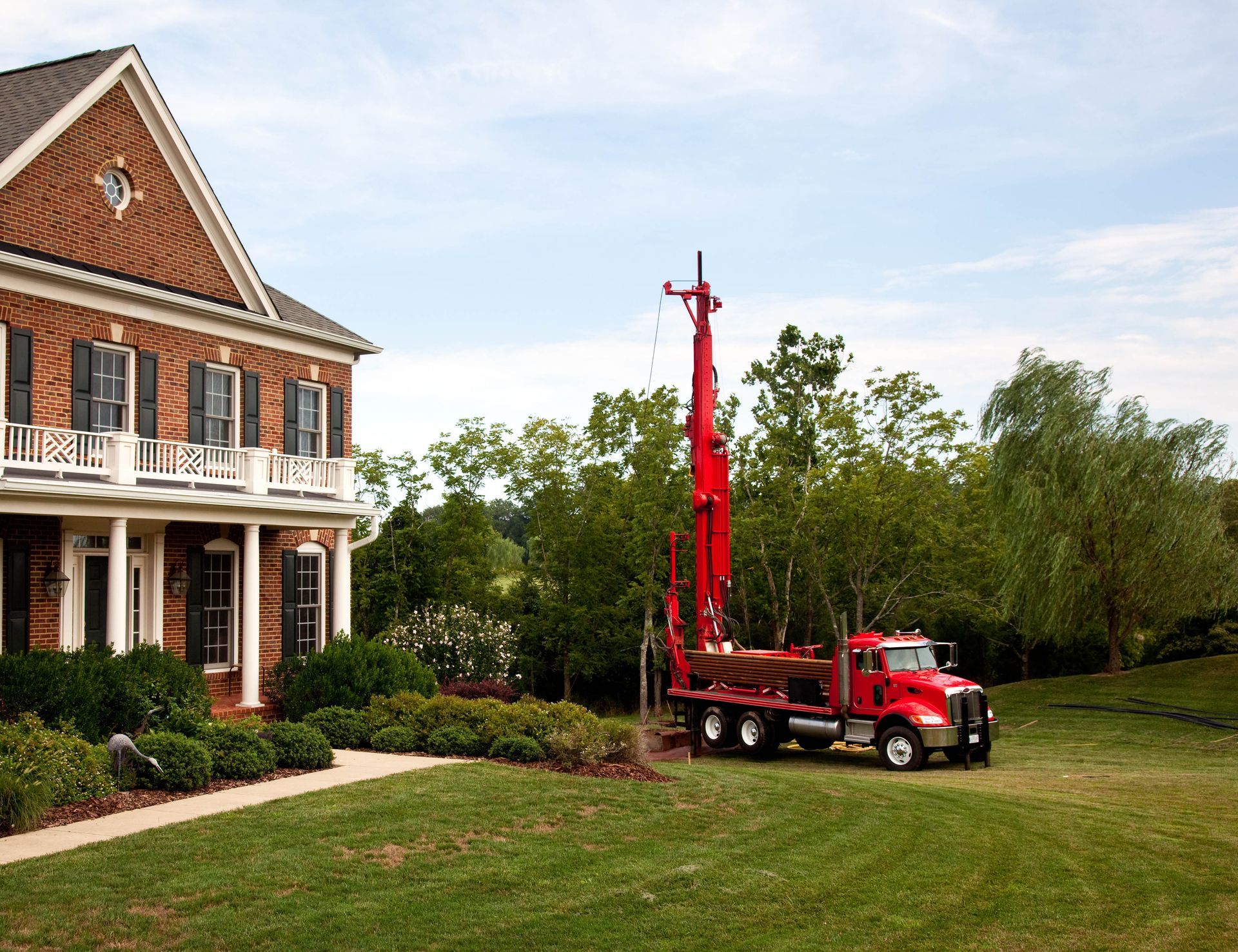
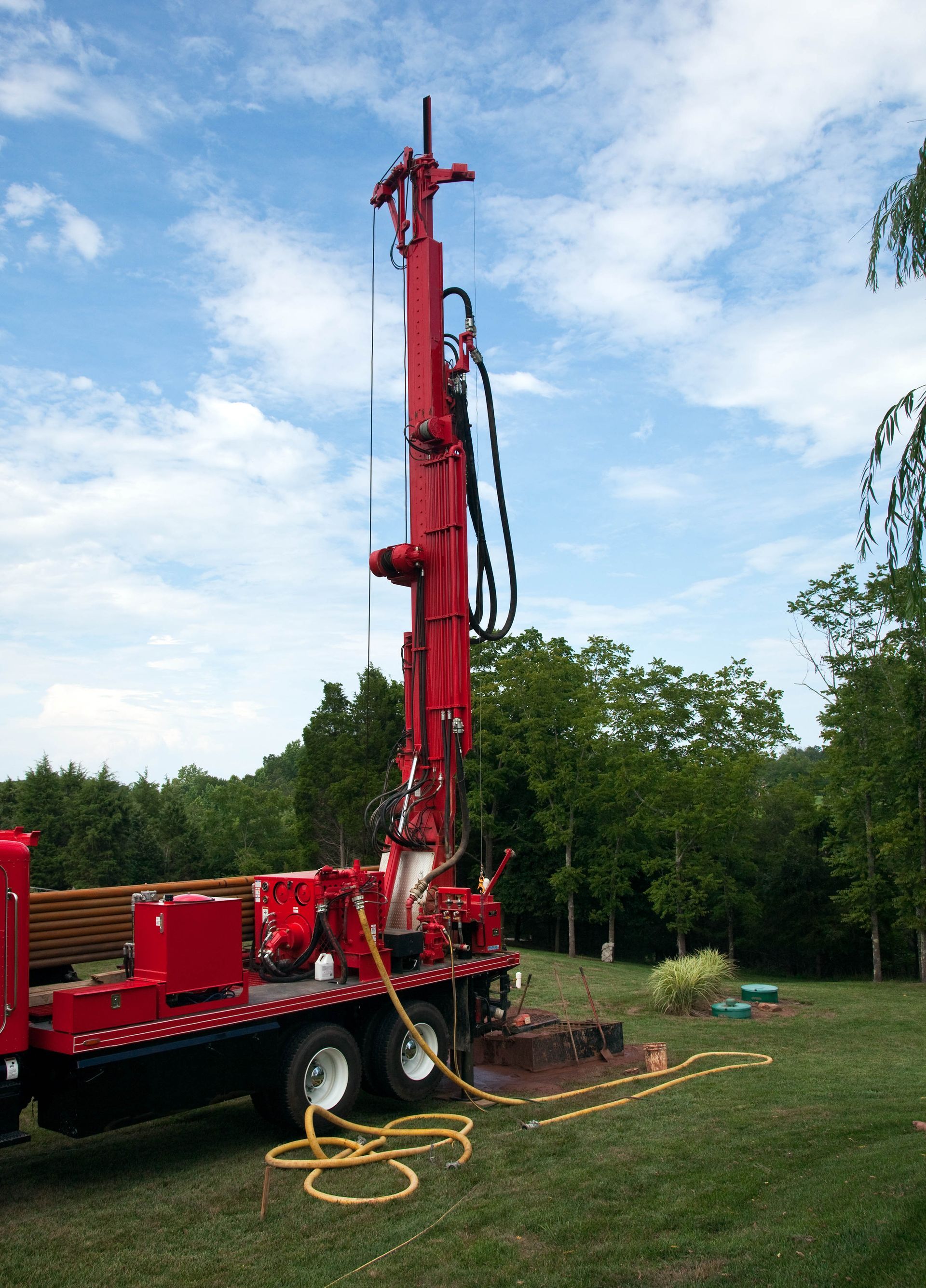
A private water well provides homeowners with an independent and reliable water source, but it also requires consistent maintenance to ensure it continues operating efficiently. Like any other mechanical system, wells include several components that work together, including pumps, pressure tanks, pipes, and filtration systems. When these parts are not properly maintained, the well may experience reduced water pressure, contamination risks, or even complete system failure.
Regular maintenance helps extend the life of a well and ensures water quality remains safe for everyday use. According to Family Handyman, a water well typically lasts between 20 and 50 years, depending on factors such as construction quality, groundwater conditions, and how well the system is maintained. Homeowners who schedule routine inspections and professional well services can significantly increase the longevity and reliability of their water well system.
1. Schedule Regular Professional Inspections
Routine professional inspections are one of the most important steps in maintaining a water well. During an inspection, technicians evaluate key components such as the well pump, electrical connections, pressure tank, and overall water flow. These evaluations help identify small issues before they become serious problems that require expensive repairs.
Professional inspections also allow technicians to check for potential contamination risks and ensure that the well system is functioning properly. Many homeowners schedule annual inspections as part of their ongoing well services routine. This proactive approach helps ensure the system remains safe, efficient, and capable of delivering clean water throughout the year.
2. Test Water Quality Regularly
Water quality testing is essential for protecting the health of everyone using the well. Groundwater conditions can change over time due to environmental factors, nearby construction, or agricultural runoff. Regular testing ensures that the water remains free from harmful contaminants such as bacteria, nitrates, or other pollutants.
Homeowners should consider testing their well water at least once a year or whenever they notice changes in taste, color, or odor. Many companies that provide well services offer water testing as part of their maintenance programs. Regular testing allows homeowners to address potential contamination quickly and maintain safe drinking water for their household.
3. Protect the Wellhead From Contamination
The wellhead is the visible portion of the well above ground and serves as a protective barrier between the groundwater and surface contaminants. Keeping this area clean and properly sealed is essential for preventing dirt, debris, and harmful substances from entering the well. A damaged or improperly sealed wellhead can increase the risk of contamination.
Homeowners should regularly inspect the wellhead to ensure the cap is secure and the surrounding area is free from standing water, chemicals, or debris. Maintaining proper drainage around the well helps prevent runoff from entering the system. Professional well service providers can also inspect the wellhead and ensure it remains properly sealed and protected.
4. Monitor Changes in Water Pressure
Changes in water pressure often indicate that something within the well system needs attention. Low pressure may be caused by issues such as pump wear, clogged pipes, or pressure tank malfunctions. Identifying these issues early can prevent more serious mechanical failures.
Homeowners should pay attention to sudden drops in pressure or inconsistent water flow throughout the house. If these changes occur, contacting professionals who provide well services can help diagnose and resolve the issue quickly. Prompt repairs can prevent additional stress on the system and keep water delivery consistent.
5. Maintain the Well Pump and Pressure Tank
The well pump and pressure tank are two of the most critical components of any water well system. The pump moves water from the underground aquifer into the home, while the pressure tank regulates water pressure and reduces strain on the pump. When these components are properly maintained, the entire system operates more efficiently.
Routine maintenance performed by professionals offering well services may include checking pump performance, inspecting electrical components, and verifying that the pressure tank is functioning correctly. Maintaining these key components helps prevent premature pump failure and extends the life of the entire well system.
6. Keep Hazardous Materials Away From the Well
Many homeowners store fertilizers, pesticides, fuel, or other chemicals on their property. However, these substances should always be kept far away from the wellhead to reduce the risk of groundwater contamination. Spills or runoff near the well can introduce harmful chemicals into the water supply.
Maintaining a safe buffer zone around the well helps protect water quality and reduce environmental risks. Professionals who specialize in well services can also provide guidance on how to properly protect the well area. Responsible storage practices help ensure the water supply remains safe for household use.
7. Watch for Warning Signs of System Problems
Unusual changes in water color, taste, or odor can signal potential issues with a well system. Cloudy water, metallic tastes, or sulfur-like smells may indicate contamination or mechanical problems within the system. Ignoring these signs could allow problems to worsen over time.
When homeowners notice unusual water characteristics, it is important to contact professionals who offer well services as soon as possible. Early investigation helps determine whether the issue is related to water quality, equipment performance, or environmental changes. Addressing problems quickly helps maintain both system efficiency and a safe water supply.
8. Maintain Proper Drainage Around the Well
Surface water should always drain away from the wellhead to prevent contamination. Poor drainage can allow rainwater, snowmelt, or runoff to collect around the well opening. This water may carry bacteria, fertilizers, or other contaminants that could enter the groundwater supply.
Homeowners should ensure the ground around the well slopes slightly away from the wellhead. Proper landscaping and grading help direct water away from the system. During routine well service visits, technicians can also inspect the surrounding area and recommend improvements that protect the well from contamination risks.
9. Avoid Overworking the Well System
Excessive water usage can place unnecessary strain on a well system and its pump. Activities such as running multiple appliances simultaneously, watering large lawns, or filling pools can demand more water than the system is designed to handle. Overworking the system can shorten the lifespan of key components.
Homeowners can reduce stress on the well by spreading water usage throughout the day and installing water-efficient fixtures. Professionals who provide well services can also evaluate system capacity and recommend upgrades if necessary. Managing water usage responsibly helps ensure long-term system reliability.
10. Schedule Routine Maintenance and Pump Service
Preventive maintenance is the best way to extend the life of a water well system. Routine service visits allow technicians to inspect equipment, test water quality, and verify that all components are functioning correctly. These visits help detect small issues before they turn into major problems.
Regular maintenance performed by experienced well services providers can significantly improve system performance and longevity. Scheduled service ensures that pumps, tanks, and other components receive the attention they need to continue operating efficiently. This proactive approach helps homeowners avoid costly repairs and unexpected system failures.
Maintaining a private water well requires attention, routine inspections, and professional expertise. By following these maintenance tips and scheduling regular well services, homeowners can help ensure their systems remain reliable for decades. At Mayer's Well Drilling, our team is dedicated to helping property owners maintain efficient and dependable water systems through professional well services and expert support. If you need assistance maintaining your well or want to schedule an inspection, contact our team today to keep your water system operating at its best.