February 18, 2026
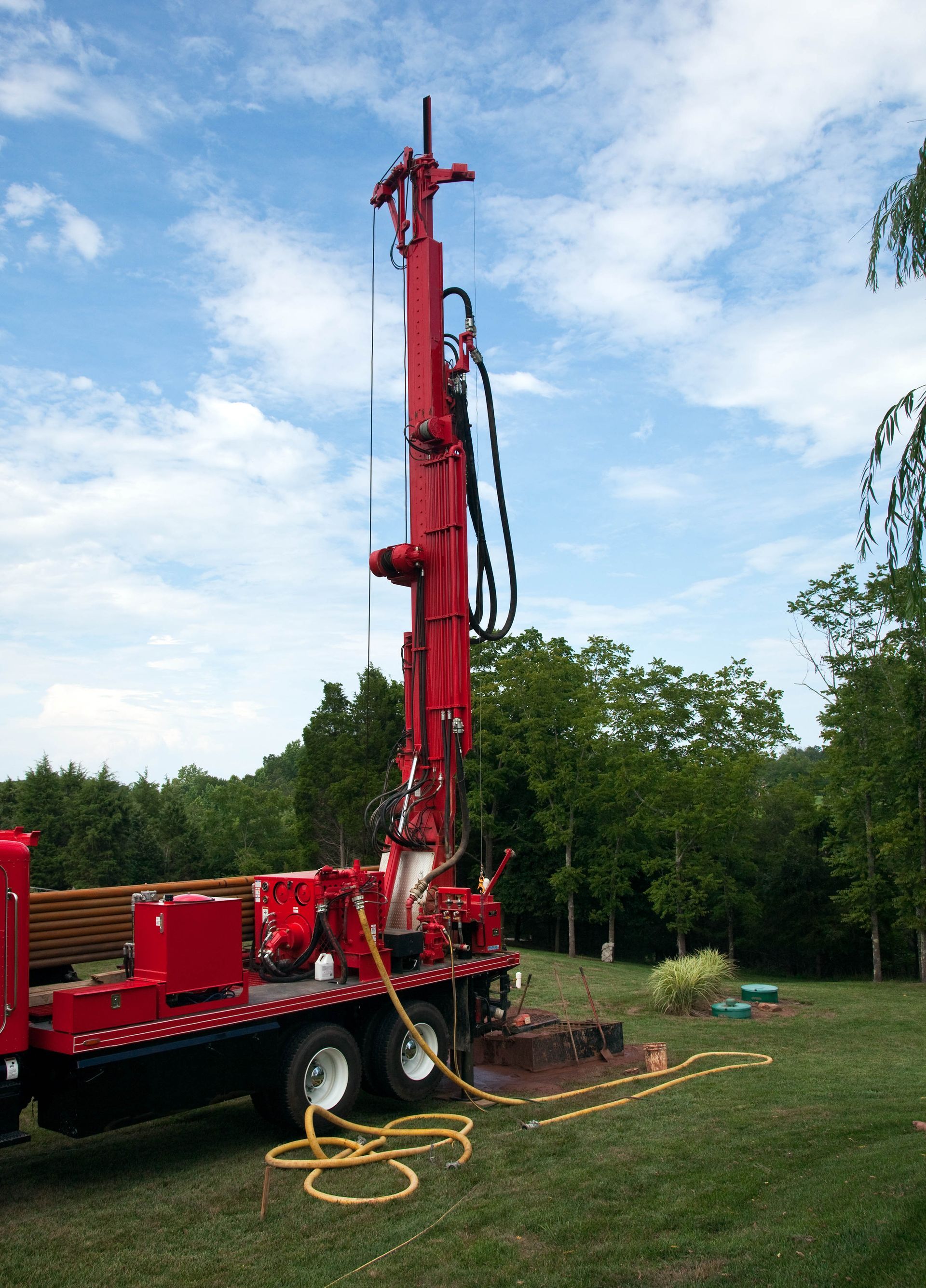
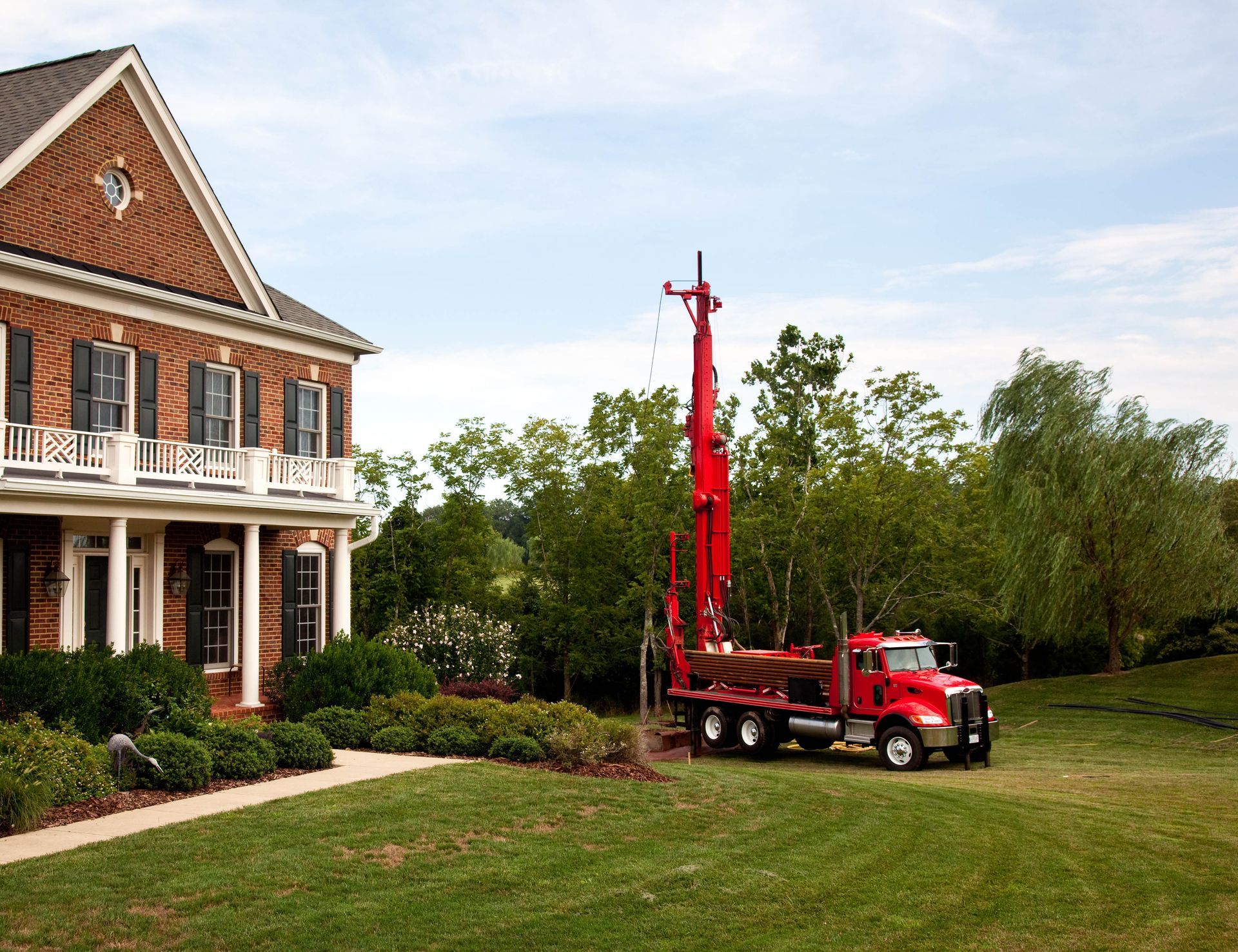
Once the excitement of installing a new water well settles, homeowners quickly realize that proper maintenance is essential for long-term safety, performance, and water quality. A new well represents an important investment in your property, and caring for it from day one helps ensure reliable access to clean water for decades to come. According to Family Handyman, a water well typically lasts between 20 and 50 years, but reaching the upper end of that lifespan depends heavily on consistent upkeep and smart post-installation practices. After the well drilling process is complete, homeowners must follow specific steps to protect their system from contamination, mechanical strain, and environmental hazards. By understanding the right maintenance habits and addressing potential problems early, you can keep your well operating efficiently and safely throughout its lifetime.
Scheduling Your Initial Inspection and Baseline Tests
After the well drilling process is finished, the first step in long-term maintenance is establishing a baseline for water quality and system performance. Professional testing checks for bacteria, minerals, chemical contaminants, and overall flow rate. This initial inspection creates a reference point that helps identify changes in water quality later on. Homeowners who skip early testing may overlook subtle issues that could become major problems if left untreated.
A thorough initial inspection also helps ensure the system was installed correctly and meets local regulations. Technicians can verify that the well cap is sealed, the casing is secure, and the pump is functioning efficiently. This early assessment provides peace of mind and helps you understand exactly what level of maintenance your well will require. Addressing concerns right away prevents long-term complications and promotes safer water use.
Protecting the Area Surrounding Your Well
Once a well is installed, protecting the land around it becomes an essential part of ongoing maintenance. The immediate area should remain clean, elevated, and free of chemicals or runoff. Avoid planting trees or shrubs too close to the well, as their roots may damage the casing or interfere with underground components. Keeping a clear zone around the well also allows technicians to access the system easily during maintenance or repairs.
Outdoor activities near the well should also be carefully managed. Never store fertilizers, pesticides, motor oil, or other hazardous materials in the vicinity, as accidental spills can seep into the soil and contaminate the water supply. Installing proper drainage features around your well site helps direct rainwater away from the casing, reducing the risk of bacterial or chemical intrusion. Maintaining a safe perimeter ensures cleaner water and reduces the likelihood of expensive corrective treatments.
Testing Your Water Annually
While initial water testing is essential, ongoing annual testing is just as important. Over time, changes in soil composition, groundwater flow, nearby construction, or agricultural activity can impact water quality. Yearly testing evaluates levels of bacteria, nitrates, pH, mineral content, and other potential contaminants. Regular monitoring helps catch problems early and ensures that your water remains safe for drinking, bathing, and household use.
Even if your water appears clean, invisible contaminants can develop slowly over time. Annual testing allows you to track changes and address issues before they affect your health or your well’s performance. Some homeowners choose to test seasonally or biannually, especially if they live near high-risk areas. Consistency is key—reliable testing protects both your household and the longevity of the well system.
Understanding the Importance of Proper Pump Care
One of the most critical components of a well system is the pump, and keeping it in optimal condition is vital for efficient water delivery. Pumps naturally experience wear over time, especially if the well serves a large household or is used for irrigation. Routine maintenance includes checking pressure levels, monitoring pump performance, and inspecting the electrical components. A failing pump often shows early signs such as fluctuating water pressure or unusual noises.
Homeowners should familiarize themselves with their pump’s recommended maintenance schedule. Some systems require lubrication or adjustments to maintain efficiency. Scheduling professional pump inspections every few years ensures that small issues are repaired before they turn into costly failures. Proper pump care not only protects your water supply but also improves the overall lifespan of your well system.
Flushing and Cleaning Your Well as Needed
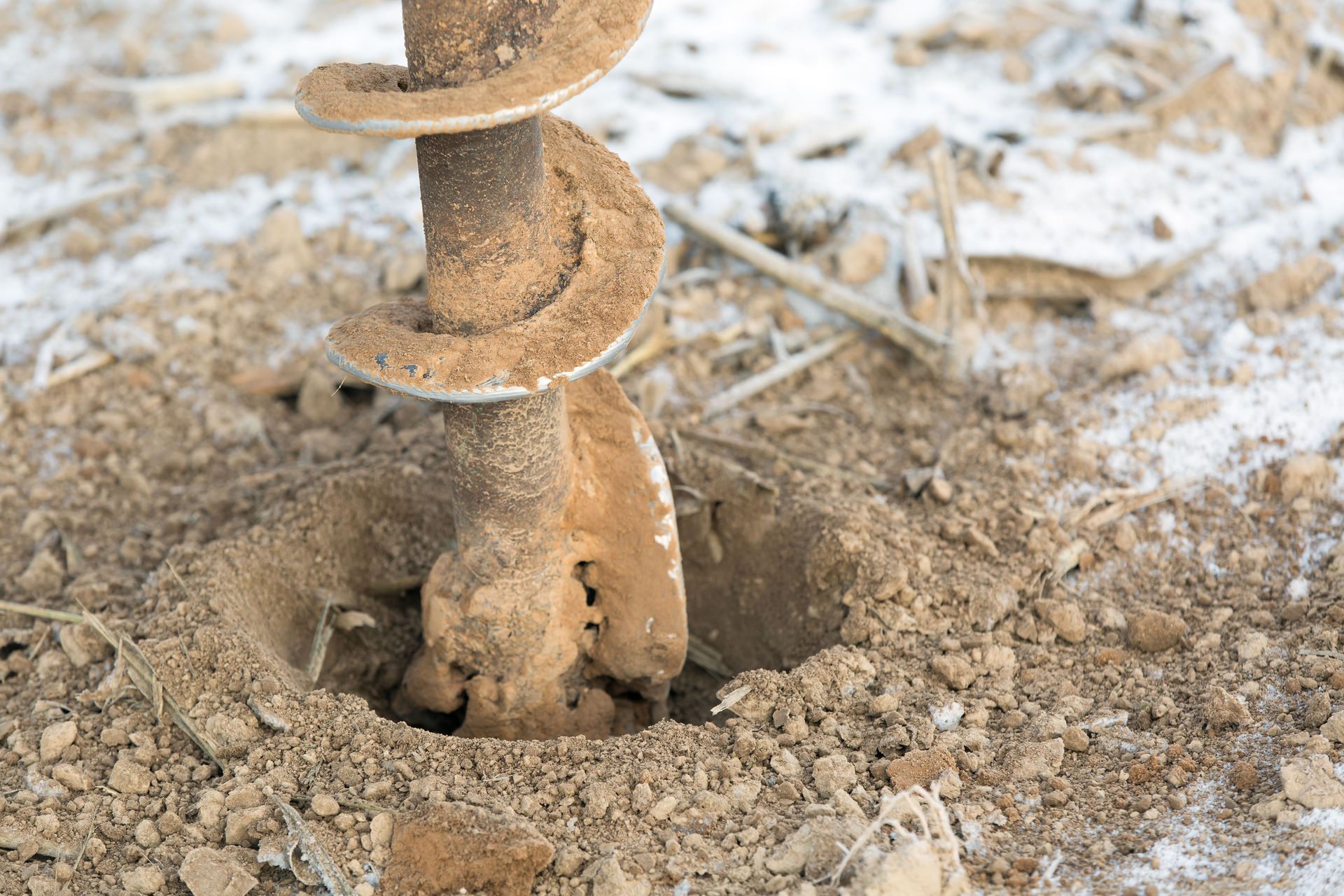
Over time, sediment and mineral deposits naturally accumulate in wells, especially in areas with hard water. These deposits can reduce flow rates and increase strain on your pump. Periodic cleaning—sometimes referred to as well rehabilitation—removes these buildups and restores efficiency. Flushing may also be necessary if annual water tests indicate bacterial contamination.
Professional cleaning processes include high-pressure flushing, chemical treatments, or mechanical agitation. These procedures help remove blockages, kill bacteria, and improve water clarity. Homeowners should never attempt to clean their wells without professional assistance, as improper handling can lead to damage or contamination. With the right care, cleaning extends the effectiveness and reliability of your well system.
Managing Water Usage Wisely
While groundwater supplies are generally dependable, excessive or inconsistent usage can strain your well. Spacing out water-intensive activities such as laundry, irrigation, or long showers helps maintain stable pressure levels and protects the pump from burnout. If your household requires high water usage, consider upgrading your pump or installing additional storage tanks.
Conserving water also supports better long-term well health. Overuse can lower the water table temporarily, forcing the pump to work harder and potentially drawing in sediment. By using water efficiently and paying attention to changes in pressure or flow, homeowners can monitor their well’s performance more effectively and prevent unnecessary damage.
Recognizing Signs of Well Problems Early
Identifying small issues early helps prevent serious damage and protects your well system from premature failure. Common signs of trouble include cloudy water, unusual tastes or smells, air bubbles in the faucet, or sudden changes in water pressure. Other indicators may involve short cycling, where the pump turns on and off too frequently, suggesting pressure tank issues.
When you notice these symptoms, it is important to schedule an inspection right away. Delaying repairs can worsen the problem, impact water quality, and lead to higher repair costs. Early detection keeps your well functioning reliably and reduces stress on the pump and plumbing system.
Maintaining Your Pressure Tank
The pressure tank plays a vital role in maintaining steady water flow and reducing pump wear. Tanks with improper air charge or internal corrosion can cause uneven pressure, short cycling, or complete system failure. Routine checks of the tank’s pressure and condition help ensure the system operates efficiently.
Professional inspections can detect leaks, rust, or pressure imbalances before they affect daily water use. A well-maintained pressure tank helps your pump last longer and improves overall water delivery. Making pressure tank care part of your routine maintenance plan helps protect your entire well system.
Keeping Records of All Maintenance and Repairs
Detailed records help you track the condition of your well system and ensure consistent long-term care. Important information to record includes dates of inspections, water test results, pump repairs, cleaning treatments, and any changes in water quality. These records make it easier for technicians to diagnose issues and provide efficient service.
Having a documented history also benefits homeowners if they decide to sell their property. Buyers often appreciate transparency and may feel more confident knowing the well system has been properly maintained. Accurate records support smooth real estate transactions and demonstrate responsible ownership.
Planning for Long-Term Upgrades
Even with proper care, no well system lasts forever. Over time, components may need to be updated to improve efficiency or meet new safety standards. Common upgrades include improved filtration systems, advanced pressure tanks, energy-efficient pumps, and enhanced water treatment technology. Planning ahead allows homeowners to budget for these expenses rather than facing unexpected costs.
Upgrading outdated components also improves water quality and system reliability. Modern technology offers better protection against contaminants, more consistent pressure control, and greater energy savings. By staying informed about available improvements, homeowners can ensure their well system remains dependable for decades.
Proper maintenance after well drilling is essential for protecting your water supply, improving system performance, and ensuring long-term safety. With high-quality care, consistent testing, and professional guidance, your well can remain a reliable resource for many years. When you’re ready to ensure the longevity and safety of your well system, Mayer's Well Drilling is here to provide expert support, detailed inspections, and trusted maintenance solutions to keep your water clean and dependable.