November 5, 2026
Access to a dependable water supply is essential for homes that rely on private wells. Installing a well involves more than drilling a hole and connecting a pump. Ground conditions, water availability, equipment selection, and sanitary protection all influence how successfully the system operates. Mistakes during installation can lead to unnecessary expenses, unreliable water delivery, or maintenance concerns. Working with an experienced well drilling company helps homeowners approach these decisions with professional guidance. Understanding the advantages of skilled well installation can make it easier to plan a project, protect the water source, and establish a system suited to the property's needs.
1. Evaluating Underground Water Conditions
A successful well begins with an informed assessment of the property. Drilling professionals consider local geology, soil layers, rock formations, and information about nearby wells. These factors help them anticipate drilling conditions and estimate where suitable groundwater may be found. Although underground water cannot be guaranteed at a particular depth, experienced contractors can use available records and field observations to guide decisions. This preparation helps homeowners understand the uncertainties involved before equipment arrives and drilling begins.
A skilled well drilling company also considers practical placement concerns. The location must account for access by drilling equipment, required separation from potential contamination sources, and applicable local regulations. A convenient location is not necessarily suitable if it conflicts with setbacks or exposes the well to surface runoff. Evaluating these factors early can reduce adjustments during construction. Thoughtful site planning also leaves room for future inspections, maintenance, and repairs without creating obstacles around the wellhead.
2. Selecting Appropriate Drilling Equipment
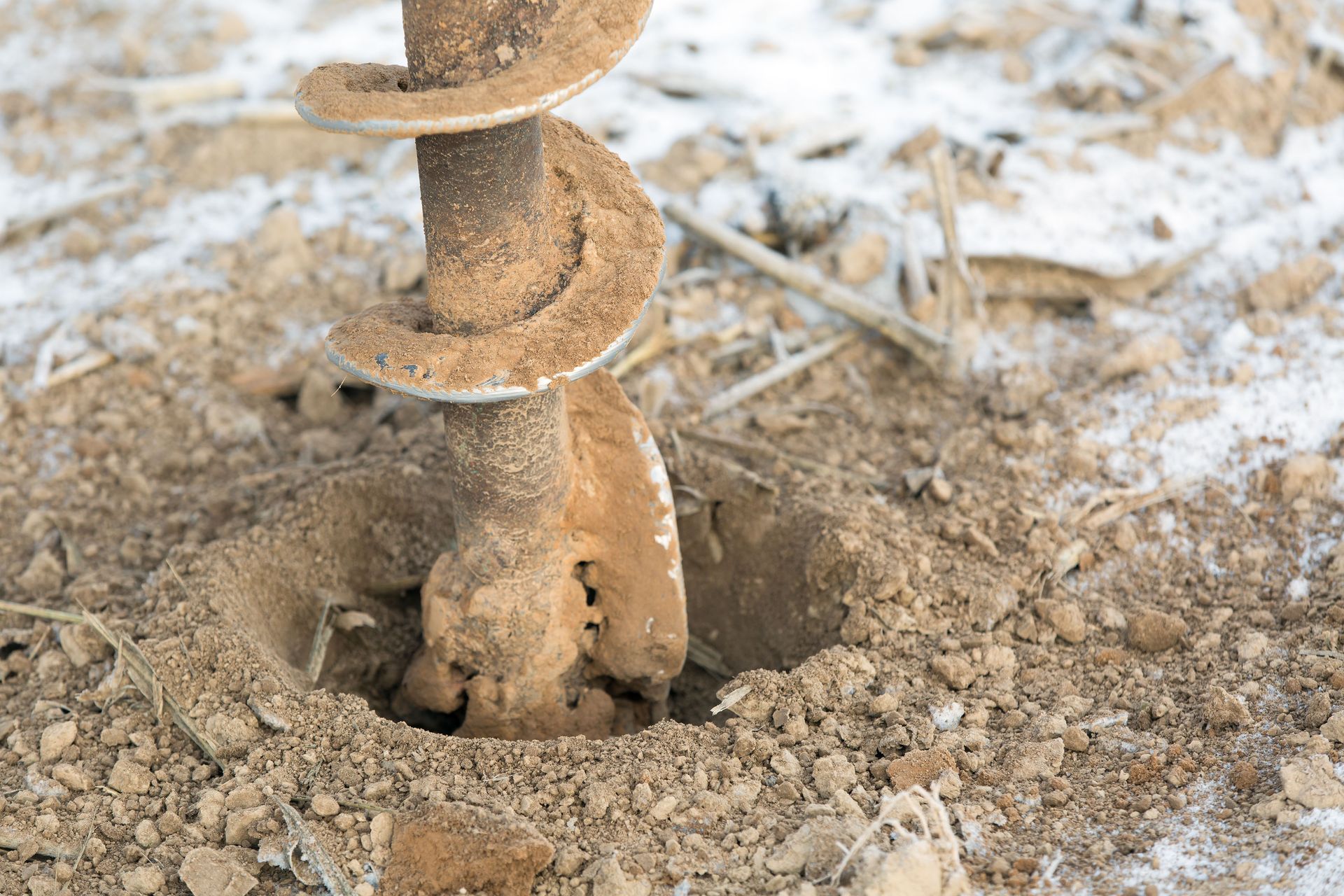
Different properties present different drilling challenges. Loose sediment, dense rock, and mixed underground formations may require different techniques and equipment. Professional drilling crews understand how drilling methods interact with ground conditions and can select tools suited to the project. Appropriate equipment helps maintain control during drilling and supports the installation of casing and other necessary components. Attempting the work with unsuitable machinery can complicate the process and increase the risk of damage or delays.
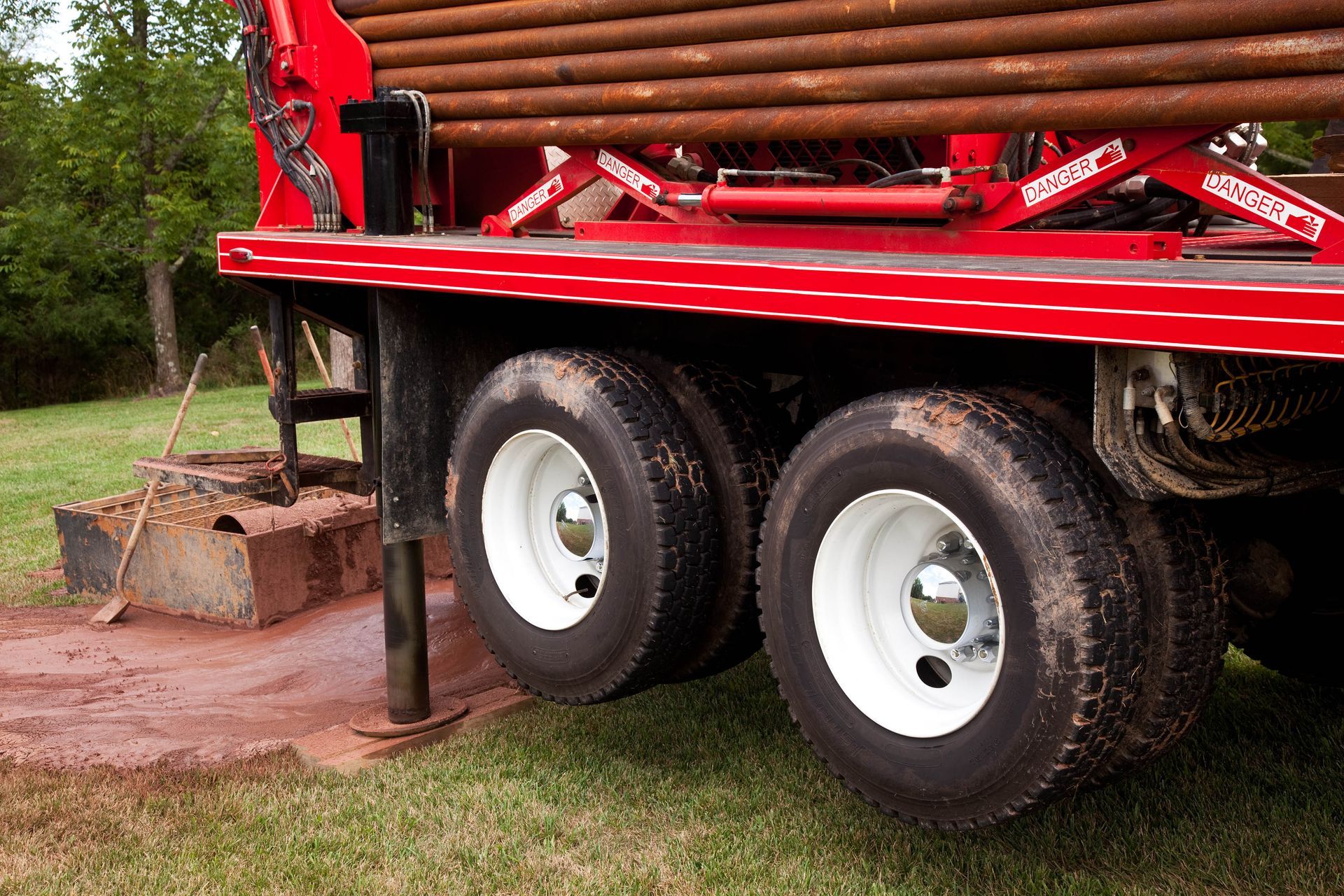
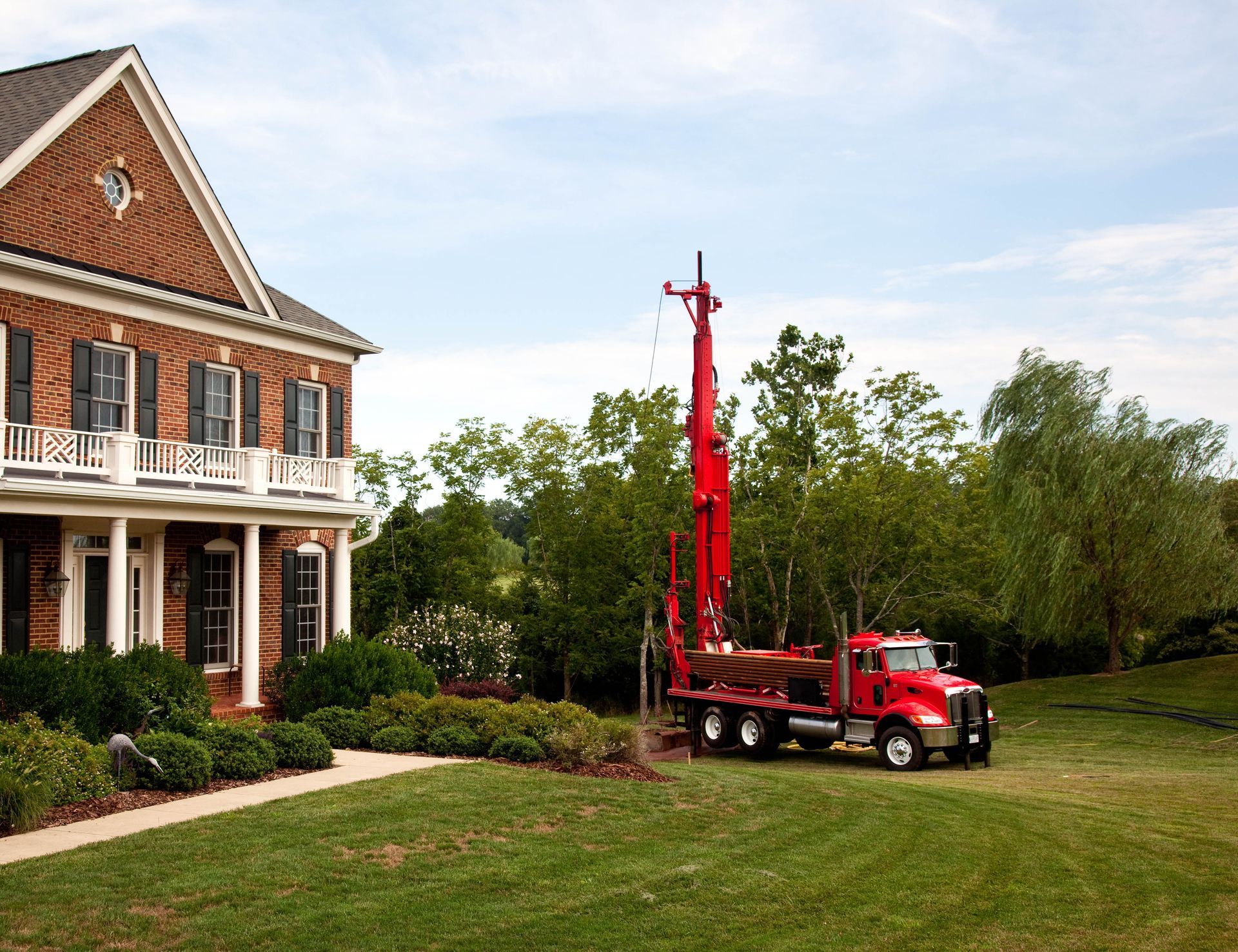
Experienced contractors also coordinate equipment access, worksite preparation, and the sequence of installation activities. Large drilling rigs require sufficient space and stable access routes, particularly on sloped or undeveloped properties. Professionals can explain what areas must be cleared and how homeowners can prepare before work starts. This coordination helps minimize disruptions to landscaping and surrounding structures where practical. It also supports an organized project, with equipment and materials available when needed rather than arranged after problems develop.
3. Protecting Water Quality During Installation
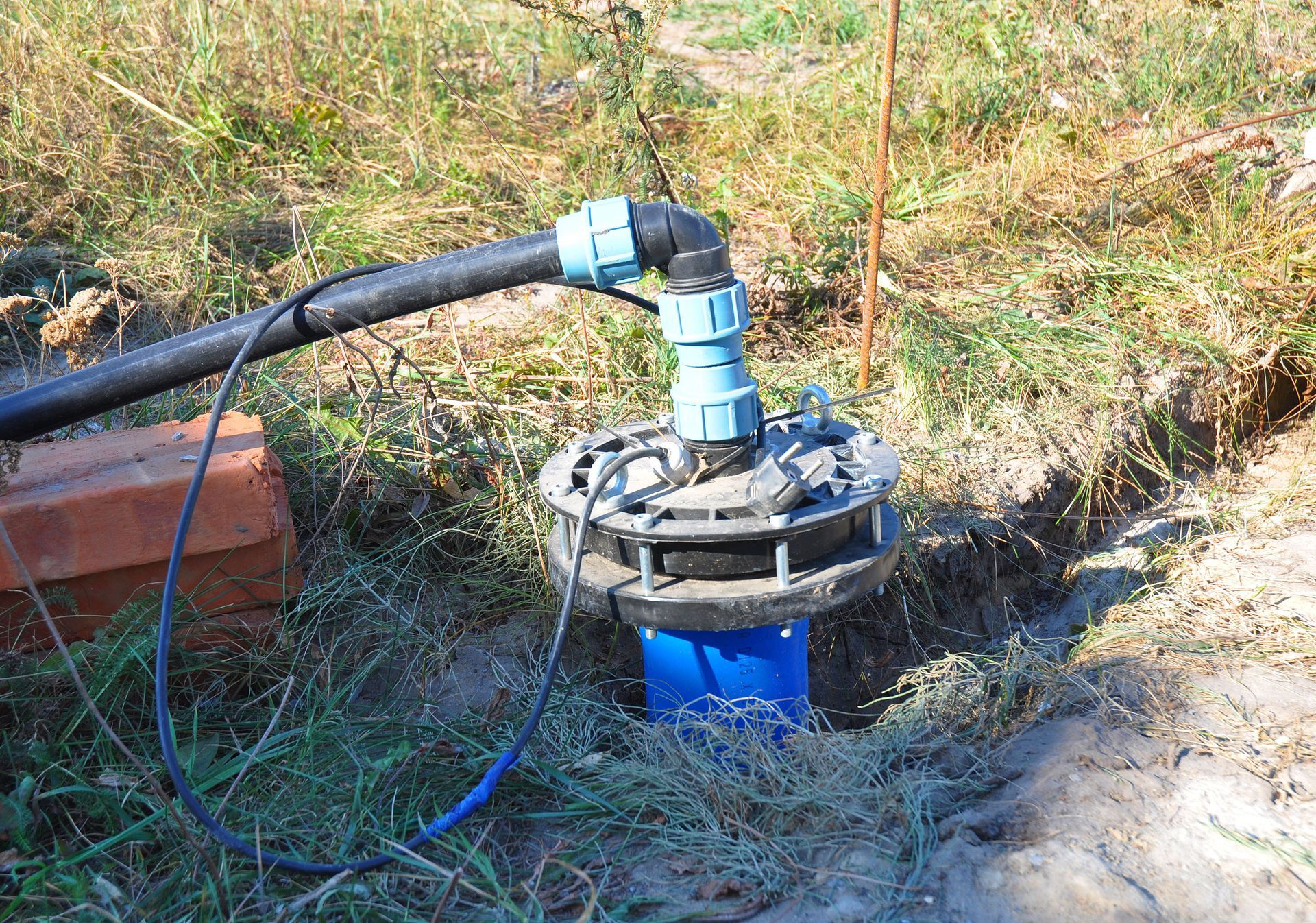
Well construction must consider how water enters the system and how contaminants are kept out. Proper casing, grouting, and a secure well cap help protect the water supply from surface water and other potential contamination pathways. Construction requirements depend on local rules and site conditions. Experienced installers understand the importance of these protective components and can explain how they contribute to a properly constructed well. Attention to sanitation during installation is important because problems may remain hidden until water quality testing identifies them.
According to the U.S. Environmental Protection Agency, over 43 million Americans, representing approximately 15% of the population, depend on private wells for drinking water, and these wells are not subject to federal drinking water regulations. This makes responsible ownership and routine testing especially important. A qualified well drilling company can explain construction safeguards and recommend discussing testing schedules with the appropriate local health authority. Homeowners should arrange testing for bacteria and relevant chemical contaminants and respond promptly when results indicate a concern. Professional construction and ongoing testing serve different but complementary purposes.
4. Matching Well Components to Household Demand
A private well needs to deliver enough water for the household's intended uses. Daily demand can vary with the number of residents, plumbing fixtures, irrigation needs, and other activities. Drilling professionals can discuss anticipated water use and the well's measured performance when planning the system. Pump selection, storage capacity, and pressure controls should work together to provide dependable delivery. Choosing components without considering these relationships may result in inconsistent pressure, unnecessary cycling, or equipment that does not suit actual demand.
A knowledgeable well drilling company can also help homeowners understand the distinction between a well's yield and the rate at which water is used inside the home. A strong pump cannot create additional groundwater when the well itself produces water slowly. Depending on site conditions, appropriate storage or different operating arrangements may be necessary. Discussing these limitations early helps homeowners develop realistic expectations and avoid purchasing equipment based only on advertised capacity. Properly matched components can also make routine operation and future servicing more manageable.
5. Following Applicable Construction Requirements
Private well construction is subject to state and local requirements that can address permits, placement, casing, grouting, and other details. These rules vary across jurisdictions and may change over time. Professional contractors familiar with the service area can help homeowners identify which approvals and inspections apply. Beginning work without understanding these requirements can lead to delays or corrective work. A clear discussion of responsibilities before drilling helps establish who will obtain permits, coordinate inspections, and maintain required records.
Documentation can be valuable long after the initial installation. Well logs, construction details, and available test results provide information for future maintenance, property transactions, and troubleshooting. A dependable contractor should be able to explain what records the project will produce and why they matter. Homeowners can keep these materials with other property documents for easy reference. Organized records may help technicians identify the well's depth, construction materials, and original performance without relying solely on estimates or memory.
6. Reducing Avoidable Maintenance Problems
Even properly installed wells require periodic attention, but careful construction can reduce some preventable problems. Correctly selected components, sound connections, and appropriate protection around the wellhead support long-term operation. Professionals also recognize installation conditions that could contribute to premature wear or unreliable performance. Addressing such concerns during construction is often more practical than reopening completed work later. Homeowners benefit when contractors explain which parts of the system require observation and what warning signs may indicate a need for service.
An experienced well drilling company can help establish realistic expectations for maintenance. Changes in water pressure, unusual pump cycling, cloudy water, or unfamiliar odors deserve attention, although they do not always indicate the same problem. Homeowners should avoid assuming that every symptom requires a new well or pump. An informed assessment can distinguish equipment issues from water quality concerns or changing groundwater conditions. Knowing when to request professional evaluation may help prevent minor problems from becoming more disruptive and expensive.
7. Providing Guidance for Long-Term Ownership
The responsibilities of owning a private well continue after installation. Homeowners need to understand the location of major components, how to protect the wellhead, and when water testing is appropriate. They should also know whom to contact when water pressure changes or the system stops working. Clear explanations from the installer can make unfamiliar equipment less intimidating and encourage better day-to-day care. This guidance is particularly useful for people who previously relied on municipal water service and are learning to manage a private supply.
Professional advice can also help homeowners plan for future changes. Household occupancy, outdoor water use, and property improvements may affect demand or access to the well. Before building structures or changing drainage near the wellhead, owners should consider potential effects on the system and applicable setbacks. Experienced drilling professionals can explain important limitations and identify situations that require additional assessment. Long-term planning protects access for servicing and helps homeowners make property decisions without unintentionally interfering with their water supply.
Choosing a qualified contractor can influence the reliability, safety, and serviceability of a private water system. Professional site evaluation, appropriate equipment, careful construction, and clear documentation help homeowners navigate a project that involves underground uncertainties. Ongoing water testing and maintenance remain essential responsibilities after installation. By working with an experienced well drilling company, property owners can better understand their options and prepare for long-term well ownership. To discuss your property's water needs and learn more about professional well services, contact Mayers Well Drilling today.