September 19, 2025
This article provides comprehensive insights into water well drilling services, answering common questions and guiding readers through the crucial aspects of the drilling process. Understanding these aspects can greatly help homeowners in making informed decisions about their water supply options. From the benefits of having a private well to the tools and regulations involved, this guide covers it all. Having a reliable water source on your property not only adds to convenience but also enhances the property's value. Moreover, it's an environmentally sustainable option that can also save you money in the long run.
Gain Reliable Water Access
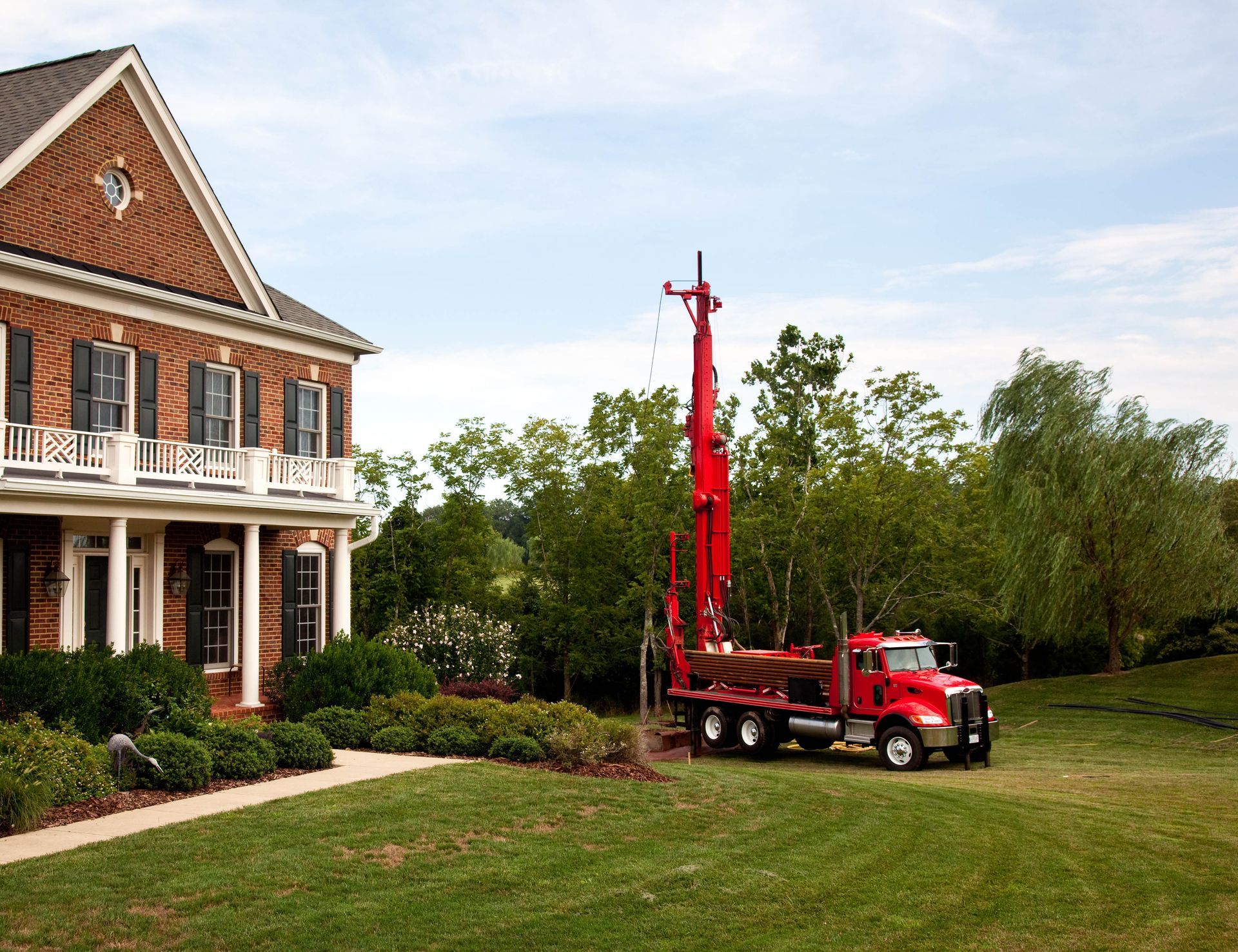
Water well drilling is a meticulous process that involves excavating the earth's surface to access groundwater. This method offers a reliable water supply, especially in areas with low municipal water availability. A water well ensures that you have control over your water source, allowing you to manage its quality and availability better. Private water wells are beneficial for households in rural areas, offering them a self-sufficient source even during municipal water shortages. According to the CDC, a private well or water system isn't regulated if it serves no more than 25 people for at least 60 days of the year, making it vital for the owner to ensure its safety and quality.
The process can endow your property with a consistent water supply year-round, independent of seasonal or urban supply fluctuations. Water wells have become increasingly necessary as climate change and growing populations put a strain on public water resources. The reliability and autonomy a private well offers can be indispensable for gardening, lawn care, and livestock. Amidst growing environmental issues, having a private well is more of a necessity than a luxury. Proper well maintenance ensures you're not at the mercy of external water utilities.
Increase Property Value
Having a water well on your property can significantly increase its market value. Many potential buyers consider an on-site water source a major selling point because it reduces or eliminates monthly water bills. Additionally, a home with its own water supply offers increased self-sufficiency and reduced dependency on municipal services. This can be a great advantage in regions where water resources are becoming increasingly scarce or in communities where municipal water services are unreliable. Moreover, the ability to cultivate larger gardens or maintain a larger lawn can be attractive for prospective buyers.
A well-functioning water well is often viewed as a significant asset, as it represents a stable water source. Properties with water wells often have higher appraisal values because they offer long-term financial savings and environmental value. Homeowners can market the independence of a personal water supply, which is increasingly appealing in today's market. The financial appreciation gained from a well can offset its initial drilling and installation costs. Therefore, investing in water well drilling can yield long-term benefits not only for present use but also for future property resale.
Support Environmental Sustainability
Water well drilling supports environmentally sustainable practices by tapping into a natural water source. Groundwater is typically replenished by natural processes, making it a more sustainable option than over-extraction from municipal systems. Utilizing groundwater reduces the strain on city resources and leaves a smaller environmental footprint. Implementing a proper maintenance routine can preserve the aquifer levels and ensure the wells' continued efficiency. By optimizing water use with a private well, homeowners contribute to the broader goal of environmental conservation.
Using a well reduces the need for water transportation, thus reducing vehicular emissions associated with water delivery. This localized approach to water sourcing diminishes the ecological impact on the planet. When managed wisely, well water systems provide eco-friendly solutions by lessening the effects of deforestation and land use changes related to water infrastructure. The reduced ecological disturbance aligns with global sustainability goals and benefits biodiversity and ecosystems. Opting for this nature-aligned water source contributes positively to local environmental health.
Save Money on Monthly Water Bills
One of the most attractive advantages of having a private water well is the reduction in monthly water bills. While the initial cost of drilling and setting up a well can be considerable, the long-term savings are significant. Over time, the savings from not paying municipal water bills can add up, often covering and exceeding the initial setup costs. Additionally, these savings can be redirected to cover regular maintenance and potential repairs. Homeowners who previously faced soaring utility costs can find relief in the cost-efficient water source their well provides.
Private wells also eliminate costs associated with water usage limitations often imposed by municipal services. Where municipal water comes with caps on usage, private wells offer freedom for larger water needs without additional fees. For vast properties that require extensive irrigation, this can lead to substantial savings each year. These financial benefits are particularly advantageous for properties with high water demands, such as farms or sprawling gardens. The transparent cut-down in utility expenses lets homeowners allocate resources where most needed.
Understand the Drilling Process
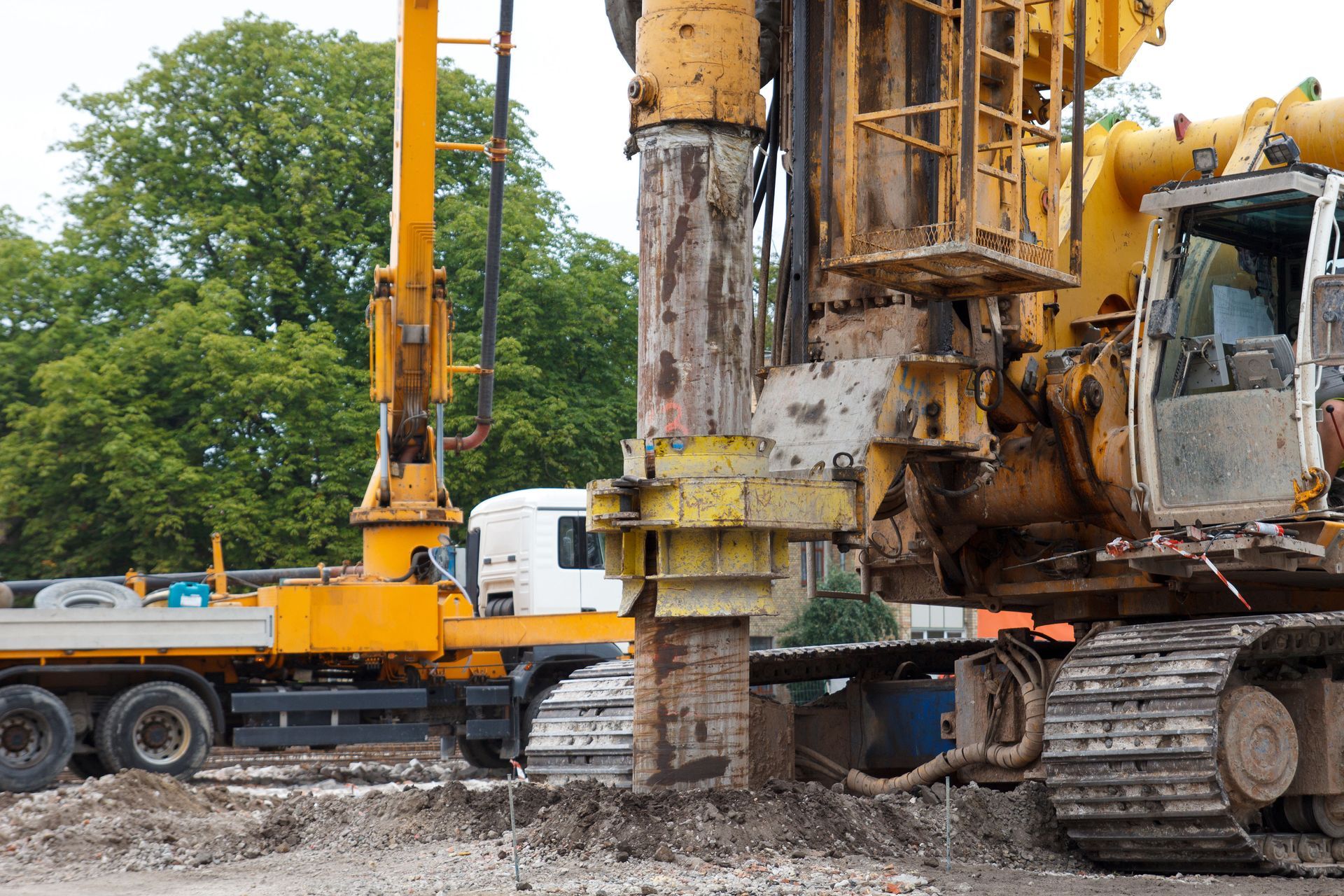
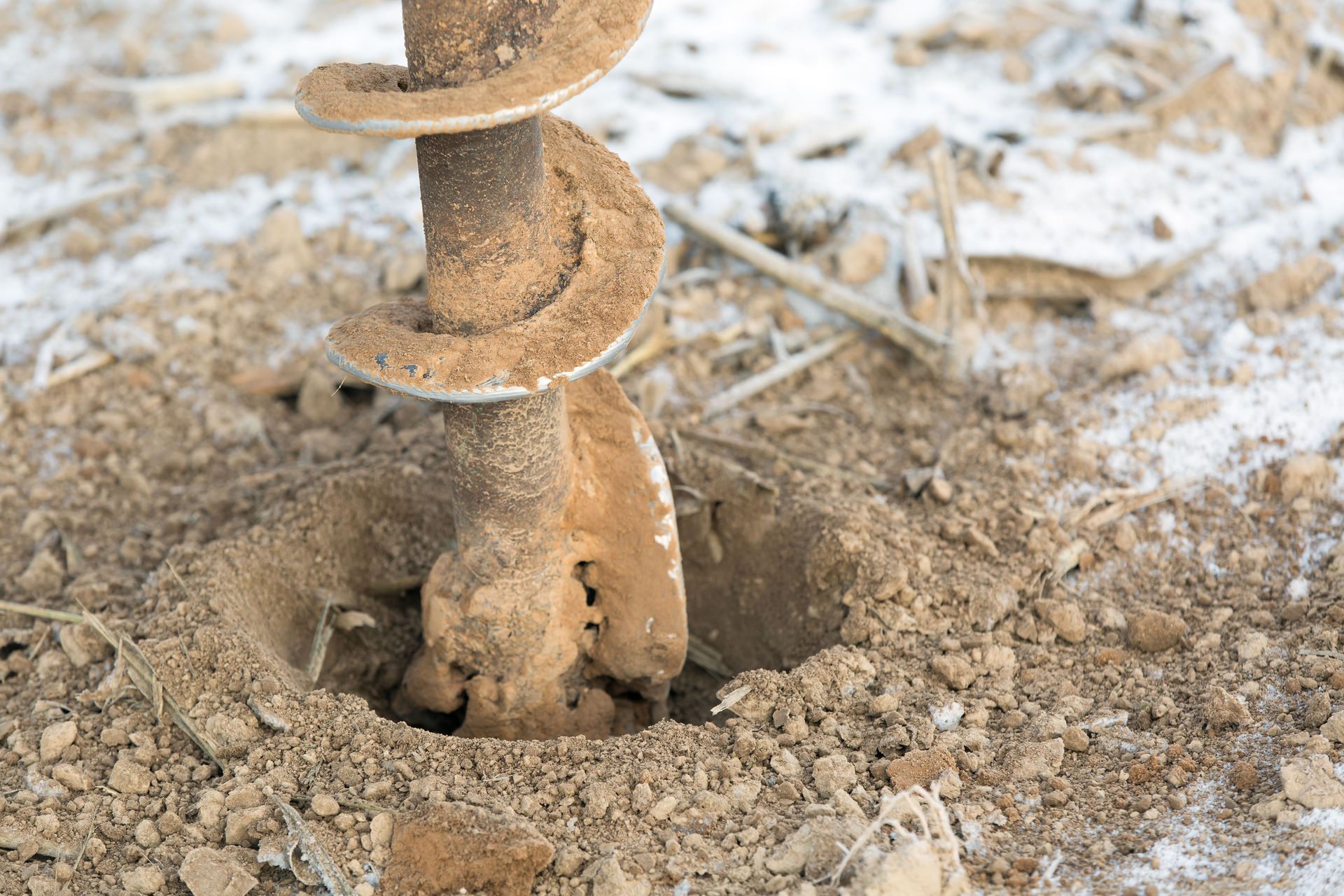
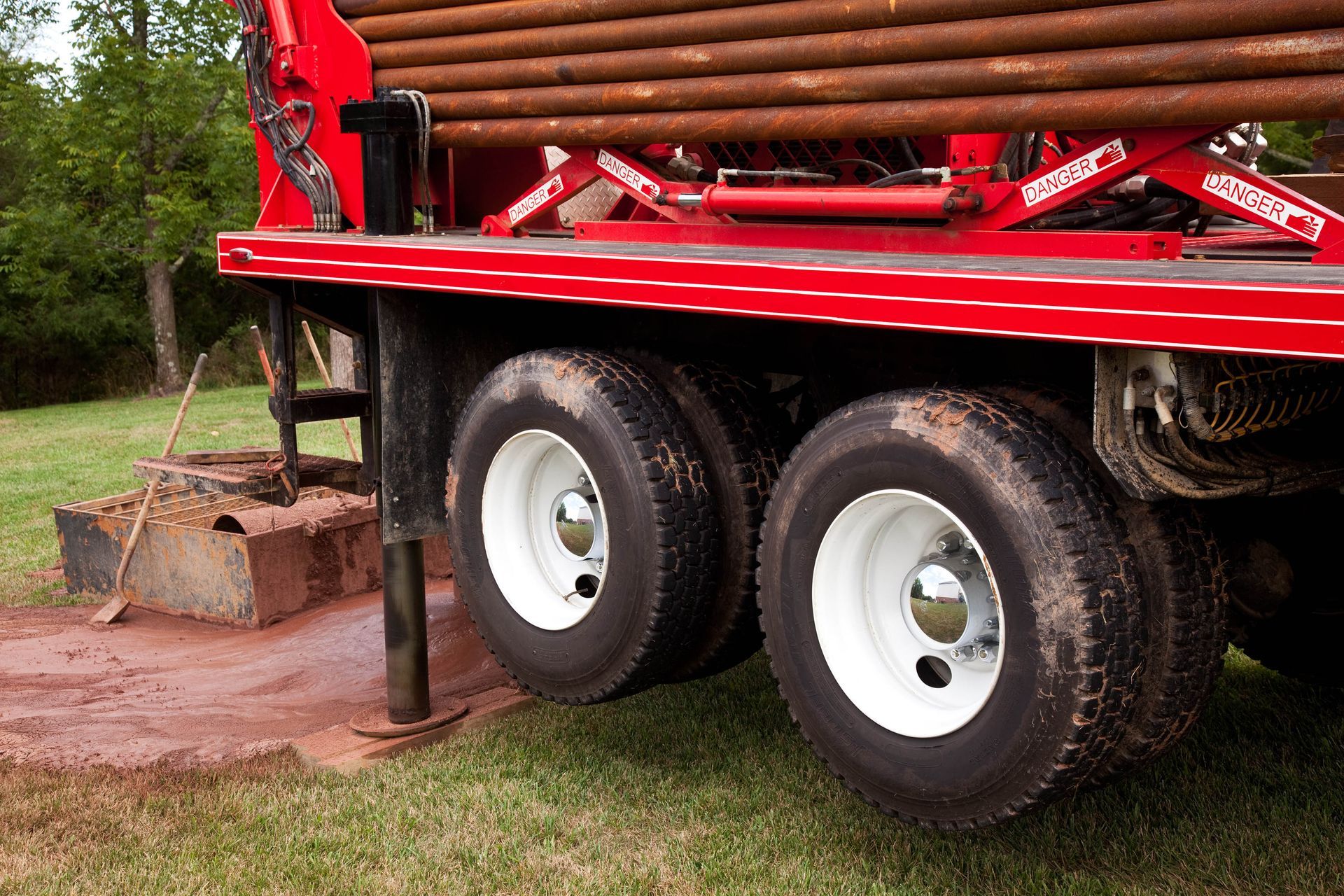
The water well drilling process begins with surveying and site selection to ensure ideal placement and maximize yield. Experts conduct geological surveys to pinpoint the best location to find plentiful aquifers. Next, drilling operations commence with the use of advanced drilling rigs and bits that drill into the ground. The depth of the drilling is contingent on the local water table and aquifer levels. During this process, drilling fluids or "mud" are circulated to help bring drill cuttings to the surface, ensuring a clean and efficient operation.
Once the desired depth is reached, the casing is inserted into the borehole to maintain structural integrity and protect water purity. The well is sealed with grout to prevent surface contaminants from entering the groundwater. Afterward, the well development stage involves removing fine particles from the aquifer to establish an unrestricted flow. This is achieved through techniques like overpumping and high-pressure jetting. Finally, a pump system is installed for drawing water, ensuring the whole setup adheres to health and safety regulations.
Follow Regulations and Obtain Permits
Understanding regulatory and permitting requirements is essential when planning a water well drilling project. Different regions have specific laws and guidelines governing well construction, quality control, and maintenance. Permitting often involves submitting detailed plans to local authorities and ensuring compliance with well depth, location, and casing standards. This legal groundwork is designed to protect public water resources and individual health. Adherence to regulations ensures that wells are safe, sustainable, and environmentally friendly.
Before drilling, it's crucial to obtain permits from local health departments or water boards. These agencies enforce standards that curb over-extraction and contamination risks. Entities such as the Environmental Protection Agency (EPA) and state-specific water regulatory bodies provide guidelines for private well ownership. Adhering to these regiments not only makes legal compliance feasible but also enhances social responsibility.
Choosing the right water well drilling service is crucial for a successful well installation. By understanding the process, costs, benefits, and maintenance requirements, homeowners can ensure a reliable and sustainable water source for years to come. With this information, they can enjoy increased property value, environmental benefits, and financial savings. Armed with this knowledge, homeowners are poised to make informed decisions catering to their unique needs. Investing in a water well aligns personal home management with broader sustainability initiatives, benefiting not just the household but the environment and community at large. Reach out to Mayer's Well Drilling to learn more today!