January 16, 2026
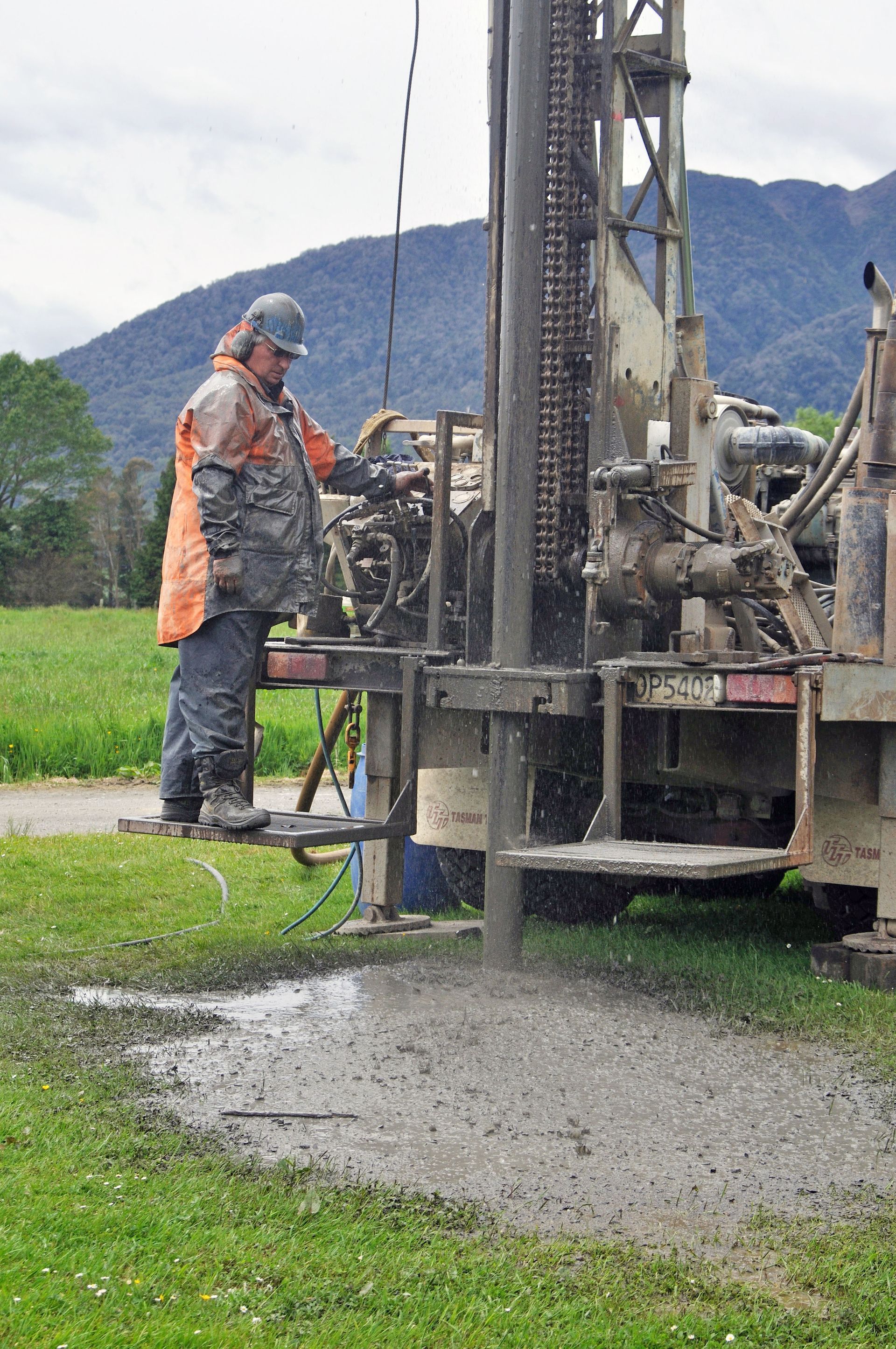
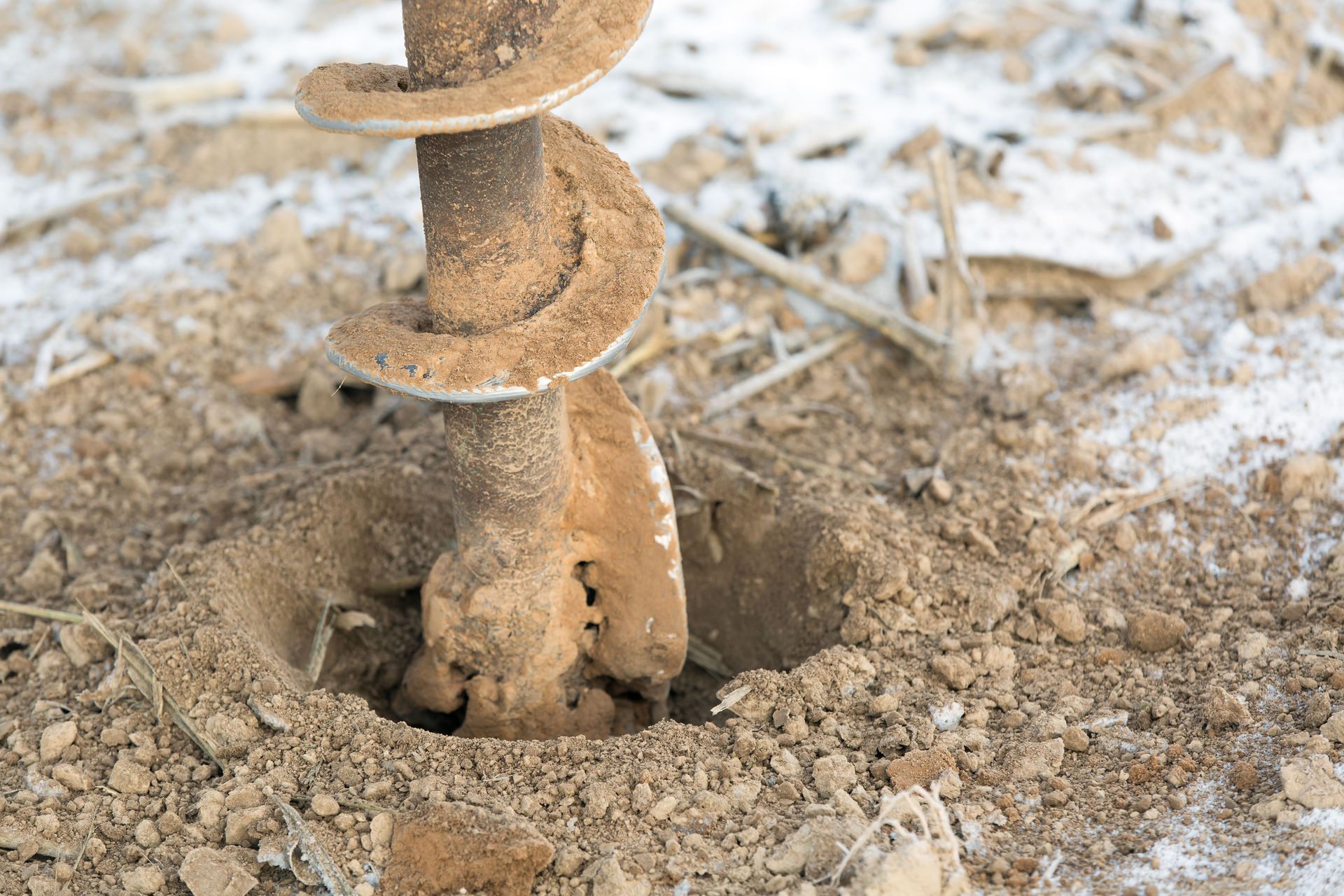
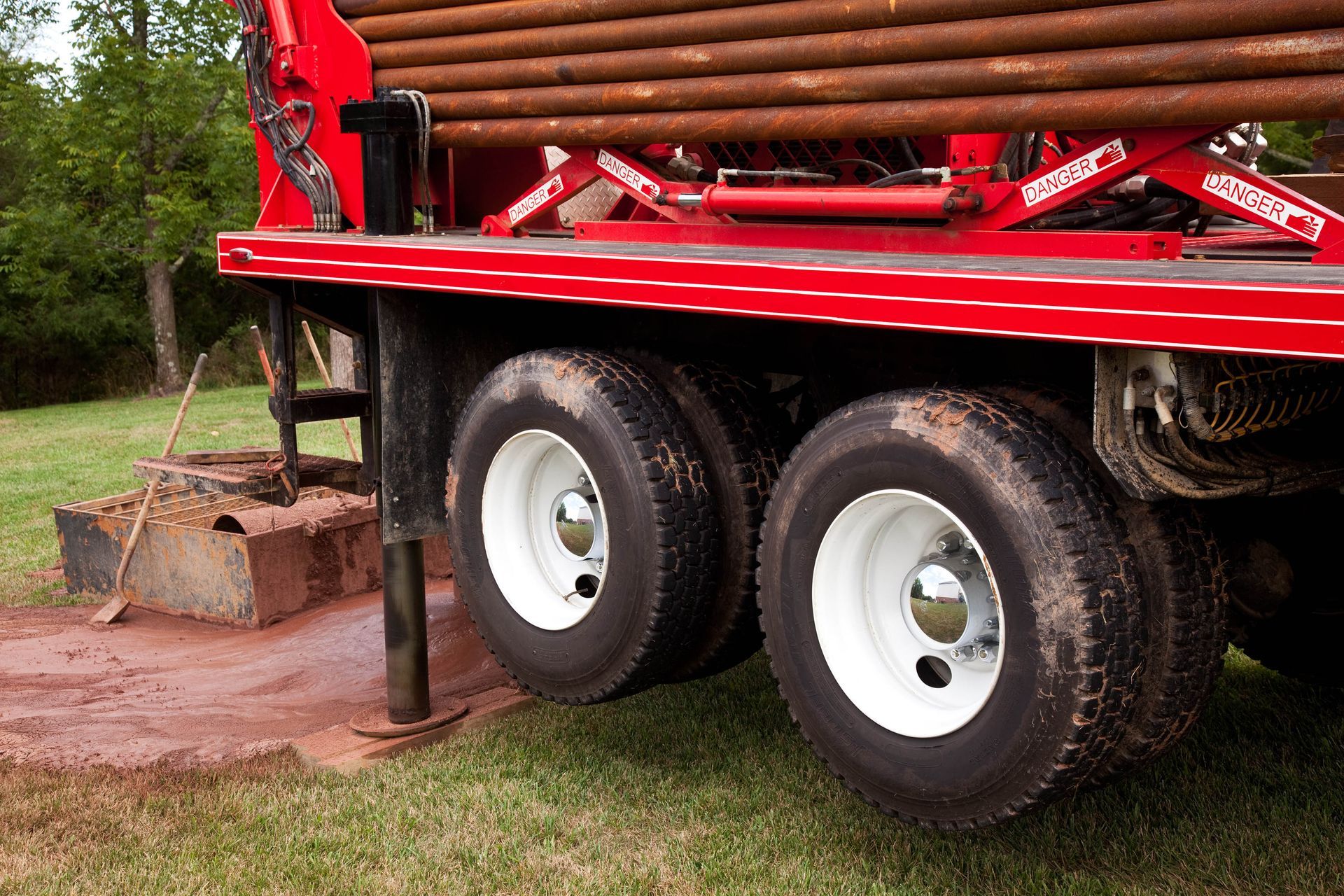
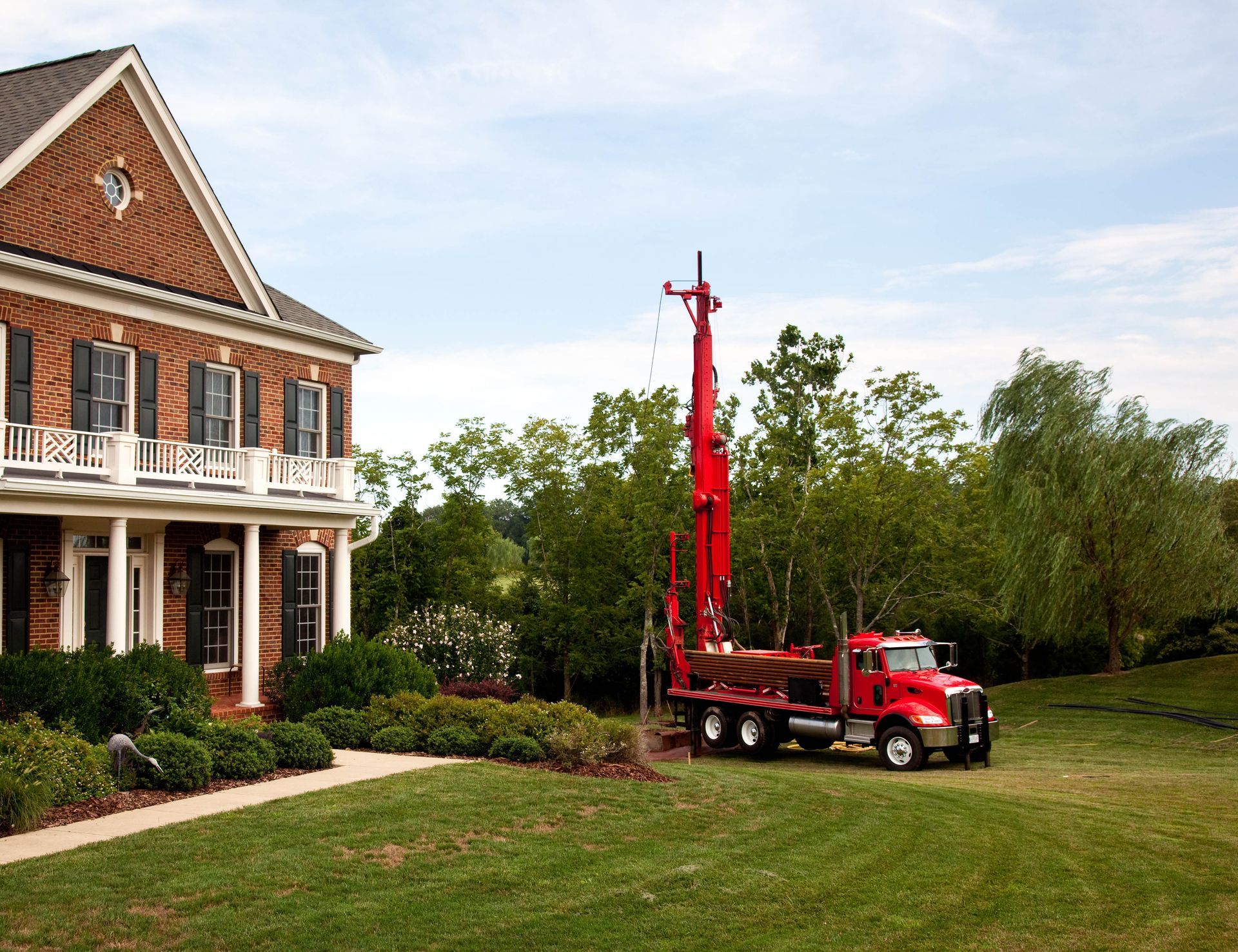
Installing a water well on your property is a long-term decision that can provide consistent access to groundwater and reduce dependence on municipal systems. For many property owners, partnering with a qualified water well drilling company supports long-range planning, system efficiency, and regulatory compliance. Before moving forward, it is important to evaluate legal requirements, environmental conditions, water quality expectations, and financial considerations. Understanding these factors early helps prevent delays and unexpected costs while supporting sustainable water use. Careful preparation ensures that the well meets your household or property needs efficiently and reliably for years to come. The following questions outline what to review so discussions with a water well drilling company are informed, productive, and aligned with your property goals.
1. What Legal and Regulatory Requirements Apply to Water Wells?
Legal and regulatory compliance is a critical starting point for any well installation. Most regions require permits before drilling begins to ensure groundwater protection and public safety. These permits may vary based on location, well depth, and proximity to protected resources. Zoning regulations can also determine where a well may be placed, helping preserve land use standards and environmental balance. Water rights laws further define who may access groundwater and under what conditions, particularly in areas where water scarcity is a concern. Because responsibility for compliance generally rests with the property owner, understanding potential penalties such as fines or mandated system removal is essential before work begins.
2. How Can Water Quality and Quantity Be Evaluated?
Water quality determines whether a well can safely support household or property needs. Laboratory testing identifies potential contaminants such as bacteria, nitrates, or naturally occurring minerals. Routine testing helps maintain safety standards and supports long-term system performance. Water quantity is equally important, as supply levels may fluctuate due to seasonal changes or aquifer conditions. Consulting with a water well drilling company familiar with local geology provides insight into expected yield and long-term reliability. Early evaluation of both quality and quantity supports informed decisions and reduces the likelihood of future system limitations.
3. What Costs and Budget Factors Should Be Considered?
Well installation costs vary based on depth, site conditions, and regulatory requirements. Common expenses include drilling, equipment installation, permits, and long-term maintenance planning. While initial costs may appear significant, many property owners compare these expenses favorably to ongoing municipal water fees over time. Long-term financial planning should also account for inspections, pump servicing, and potential repairs. Financing options, such as loans or regional assistance programs, may be available depending on location. Careful budgeting ensures expectations remain aligned with project scope and long-term ownership considerations.
4. How Should the Right Well Drilling Contractor Be Chosen?
Selecting the right water well drilling company directly affects installation quality and system longevity. Proper licensing, insurance, and familiarity with local conditions are essential qualifications. Reviewing references and previous project outcomes provides insight into consistency and reliability. Clear discussions regarding timelines, warranties, and compliance responsibilities help set expectations early. Contracts should outline scope, payment terms, and dispute resolution processes to reduce misunderstandings. Working with an experienced water well drilling company supports efficient project execution and long-term system performance.
5. What Factors Influence Well Placement and Design?
Well placement influences both water quality and operational efficiency. Ideal locations are positioned away from potential contamination sources such as septic systems or agricultural runoff. Depth selection affects access to cleaner groundwater and long-term supply stability. Different well types are suited to different geological conditions, making professional assessment critical. Design elements such as casing, sealing, and screening protect water quality and improve flow. Planning for potential future expansion during the design phase can reduce costs and disruptions later.
6. Why is Maintenance and Upkeep Important Over Time?
Ongoing maintenance plays a key role in preserving water quality and system reliability. Routine tasks include inspections, water testing, and equipment servicing. Annual professional evaluations help identify wear or performance changes before they escalate. Common issues such as sediment buildup or pump failure can often be addressed effectively when detected early. Consistent water supply depends on monitoring usage patterns and understanding seasonal variations. Establishing service relationships early supports faster response times and better long-term outcomes with a water well drilling company.
7. How do Environmental Factors Influence Well Performance?
Environmental conditions significantly affect well performance over time. Soil composition, rock density, and groundwater recharge rates all influence drilling depth and water flow. Areas with dense rock formations may require deeper drilling, while sandy soils can introduce sediment challenges if not properly managed. Seasonal rainfall patterns also affect groundwater replenishment, making long-term climate trends an important consideration. Evaluating environmental factors early supports system designs that align with natural conditions and reduce strain on equipment.
8. How Does Property Use Affect Water Demand?
Water demand varies depending on how a property is used. Residential households, agricultural operations, and mixed-use properties each require different capacity levels. Anticipating daily and peak usage helps ensure the well is designed to meet current and future needs. Household size, irrigation requirements, and planned property expansions all influence demand. Thoughtful planning supports efficient water use and helps avoid capacity limitations as needs evolve.
9. How Should Seasonal Changes and Usage Fluctuations Be Planned for?
Seasonal shifts can affect both water supply and consumption patterns. Warmer months often bring higher water use, while colder seasons may introduce freezing risks if systems are not properly protected. Understanding how seasonal changes influence groundwater levels helps guide maintenance schedules and usage planning. Preventive inspections before peak usage periods reduce the likelihood of disruptions. Seasonal awareness supports consistent access throughout the year.
10. How Can a Water Well Impact Long-Term Property Value?
A properly installed well can contribute positively to long-term property value. Reliable private water access is often viewed as an advantage in areas where municipal infrastructure is limited. Documentation of installation details, maintenance records, and water quality testing adds transparency for future owners. Long-term planning also includes evaluating how nearby development may affect groundwater conditions. Integrating water system planning into broader property management supports sustainability and usability over time.
11. Why is Clear Communication Important Throughout the Process?
Clear communication supports smoother installation and ongoing maintenance. Discussing expectations, timelines, and responsibilities early helps align all parties involved. Ongoing updates during installation and service visits keep property owners informed at every stage. Maintaining organized records of permits, inspections, and testing results provides long-term reference value. Strong communication practices help ensure consistent performance and fewer unexpected challenges.
12. What do Water Use Trends Say About Long-Term Value?
Private wells remain an essential part of residential water infrastructure nationwide. According to Moving.com, more than 30 million households across the country rely on private wells as their primary water source, reflecting continued demand for groundwater access. This widespread reliance highlights the importance of informed planning and responsible system management. Long-term value is maximized when water quality, compliance, and maintenance are treated as ongoing priorities rather than one-time tasks.
Installing a water well involves careful evaluation, informed decision-making, and long-term planning. Addressing legal requirements, environmental conditions, water quality expectations, and maintenance responsibilities early supports a reliable and efficient system. When property owners partner with a knowledgeable water well drilling company, they gain clarity and structure throughout the process. At Mayer’s Well Drilling, we help property owners navigate well drilling with clear communication and proven experience. Contact us today to discuss how our well-drilling services can support a dependable water source for your property.